
Roof repair may be needed after strong winds, heavy rain, or flying debris hit your home. Storm damage is not always easy to see from the ground. A roof can look fine while small problems allow water to enter later. Knowing the most common signs can help you act before the damage spreads.
After a storm, inspect the roof from the ground and inside the attic first. Look for missing shingles, water stains, loose materials, and signs of leaks.
Roof Repair for Missing or Lifted Shingles
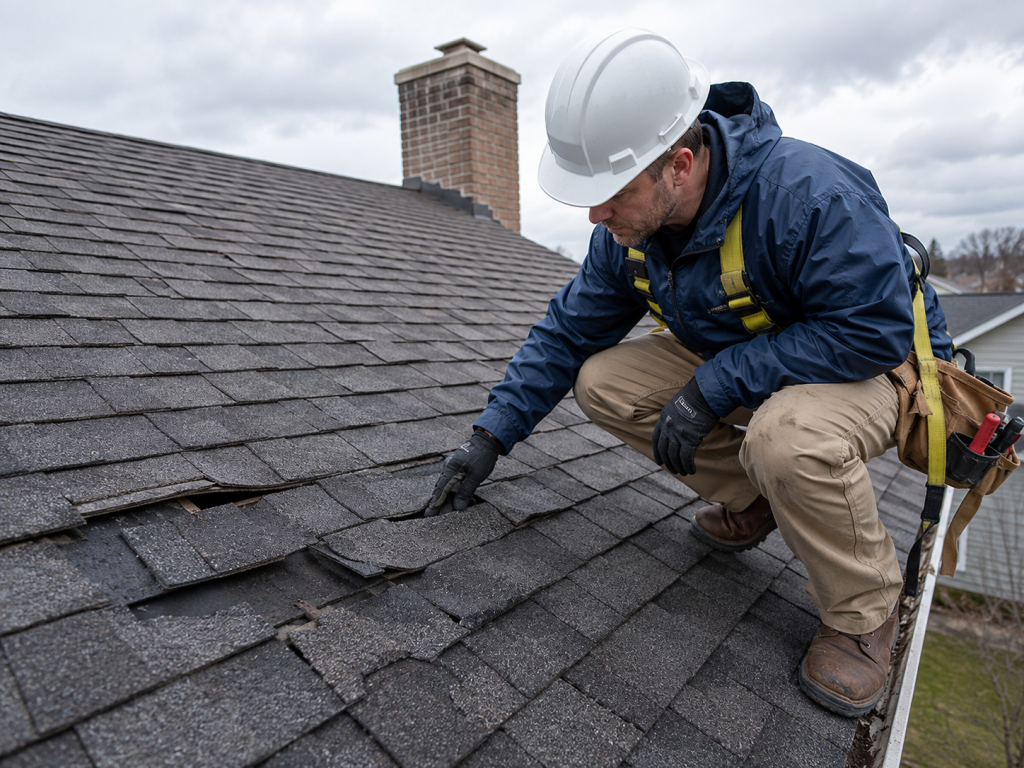
High winds can loosen, lift, or tear shingles from the roof. Even one missing shingle can leave the layer below exposed to rain. Lifted shingles may also allow water to move underneath nearby roofing materials.
Common signs include:
- Shingles in the yard
- Bare spots on the roof
- Shingles that look curled or raised
- Loose pieces near roof edges
Small shingle problems are often easier to fix when found early. Delaying repairs can allow water to reach the roof deck and attic.
Roof Repair for Leaks and Water Entry
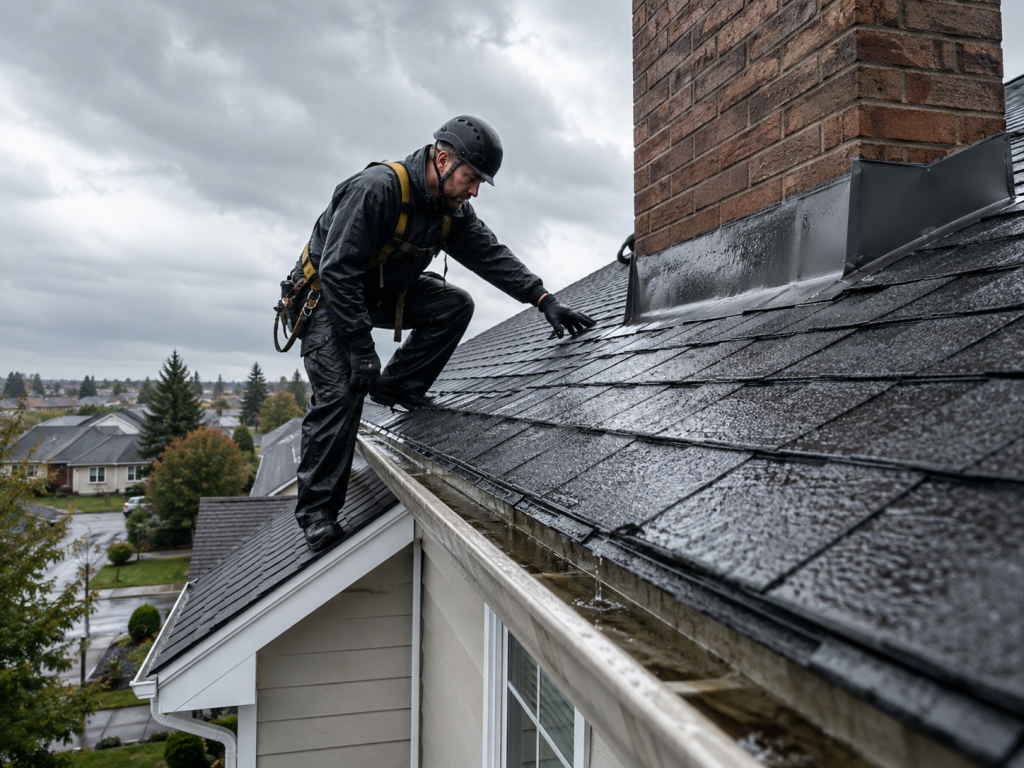
Heavy rain can find weak spots around shingles, flashing, vents, and roof edges. A leak may appear right away, or it may show up days later as moisture moves through the roofing system.
Inside the home, watch for ceiling stains, damp attic insulation, peeling paint, or a musty smell. Water does not always drip directly below the damaged area. It can travel along wood before becoming visible.
A roof inspection helps locate the true source of the leak, and some cases may require emergency roof repair after severe storm damage. Sealing only the visible indoor stain will not solve the roof problem.
Damaged Flashing Around Roof Openings
Flashing helps keep water away from roof joints and openings. It is often placed around chimneys, vents, skylights, and roof valleys. Strong wind or debris can bend, loosen, or pull flashing away from the roof.
Damaged flashing may create small gaps where water can enter during the next rain. Rust, loose edges, missing sealant, or bent metal can all point to damage.
Roof Repair for Punctures and Debris Damage
Branches, tree limbs, and other debris can strike the roof during a storm. The impact may crack shingles, dent metal roofing, or create small holes. Some punctures are easy to spot. Others may be hidden under damaged shingles or debris. Even a small opening can let rain reach the roof deck.
Do not walk on the roof to remove large debris. Wet or damaged surfaces can be unsafe. A roofing professional can inspect the area and check for hidden damage.
Gutter and Roof Edge Damage
Storms can damage gutters, fascia, and roof edges. Strong wind may pull gutters away from the home, while heavy rain can cause blocked gutters to overflow. When water cannot drain correctly, it may collect near the roof edge or run down exterior walls. Loose gutters can also place stress on fascia boards.
Check for sagging gutters, loose sections, dents, and piles of storm debris.
Roof Repair for Damaged Roof Decking
Roof decking sits below the outer roofing materials. If water reaches it through a leak, the wood may weaken, swell, or begin to rot. Possible signs include a soft or sagging roof area, repeated leaks, or damp spots in the attic. Decking damage matters because it affects the support below the roof surface.
Damaged outer materials may need to be removed so the decking can be checked. The leak source should also be repaired so the problem does not return.
Why a Post-Storm Roof Inspection Matters
Some storm damage is hidden. Shingles may stay in place but lose their seal. Flashing may shift only slightly. Small openings may not leak until another round of rain arrives.
Experienced roofers can check shingles, flashing, vents, gutters, roof edges, and other areas that may have been affected. If damage is found, roof repair can be planned before it becomes a larger issue.
Frequently Asked Questions
How Soon Should I Check My Roof After a Storm?
Check from the ground once conditions are safe. Look for missing shingles, debris, leaks, and gutter damage.
Can Heavy Rain Damage a Roof Without Strong Wind?
Yes. Heavy rain can enter through worn shingles, loose flashing, old seals, or other weak areas. It can also make an existing leak worse.
Does a Small Roof Leak Need Quick Repair?
Yes. Small leaks can spread into insulation, ceilings, walls, and roof decking. Early repair can help limit further water damage.
Should I Climb Onto the Roof After a Storm?
It is safer to avoid walking on a wet or damaged roof. Loose materials and hidden weak areas can create fall risks.
Protect Your Roof After Storm Damage
Storm damage can affect shingles, flashing, gutters, decking, and other parts of the roof. Some problems are easy to see, while others stay hidden until the next heavy rain. Checking the roof early can help stop a small issue from becoming a larger repair. If your property shows signs of storm damage, Align Roofing Company LLC can inspect the problem and recommend the next step. Learn more about our roof repair services for damaged shingles, leaks, and other roofing concerns.
Ready to schedule an inspection or repair? Contact us to request service. For more roofing tips and helpful information, visit our blog page.