
Residential roofing problems can quickly turn into major damage when small warning signs are ignored. A missing shingle, water stain, or roof leak may seem minor at first, but these issues often spread fast and affect the structure of your home. Taking quick action helps protect your property, lower repair costs, and keep your family safe.
Your roof handles strong sun, heavy rain, wind, and changing temperatures every day. Over time, these conditions wear down roofing materials, creating weak spots. Some problems develop slowly, while others appear after storms or sudden weather changes. Knowing when to call a roofing professional can help you avoid expensive repairs later. This guide explains the most common signs that residential roofing needs immediate attention and why fast repairs matter.
Residential Roofing Leaks Inside the Home
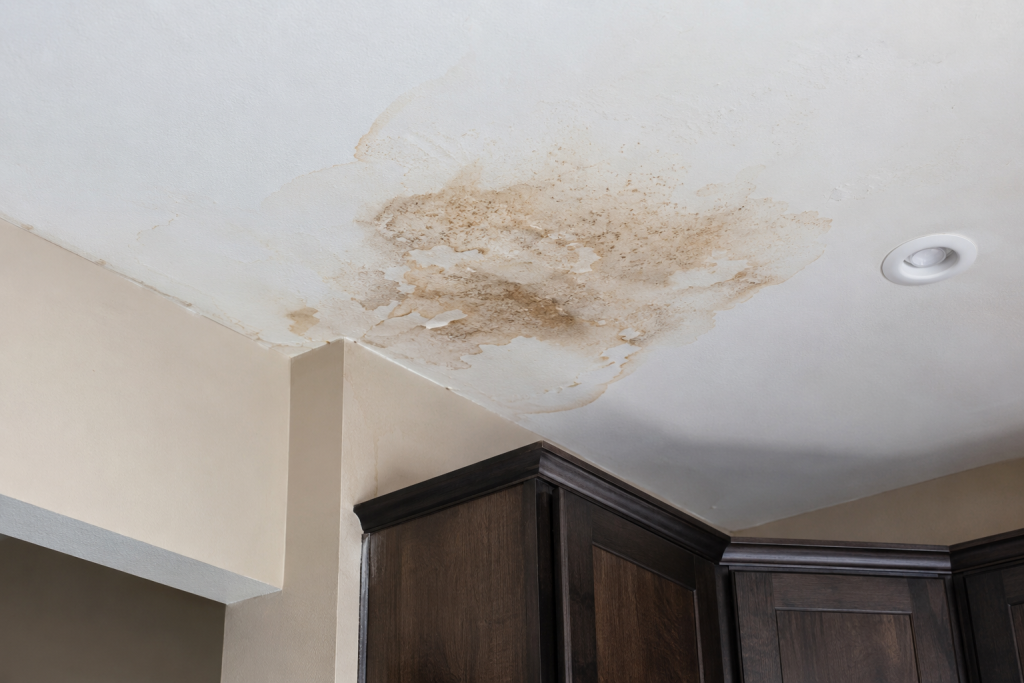
One of the clearest signs of roofing trouble is water entering your home. Roof leaks often begin small but spread behind walls, ceilings, and insulation before they become visible.
Watch for these warning signs:
- Water stains on ceilings
- Peeling paint or bubbling drywall
- Dripping water during rainstorms
- Mold or mildew smells
- Damp attic insulation
Leaks can weaken wood framing and damage electrical systems if left untreated. Even a small stain may point to a larger roofing issue above the ceiling. If you notice water damage, schedule a professional roof repair inspection as soon as possible to stop the problem from spreading.
Missing Shingles on Residential Roofing Systems
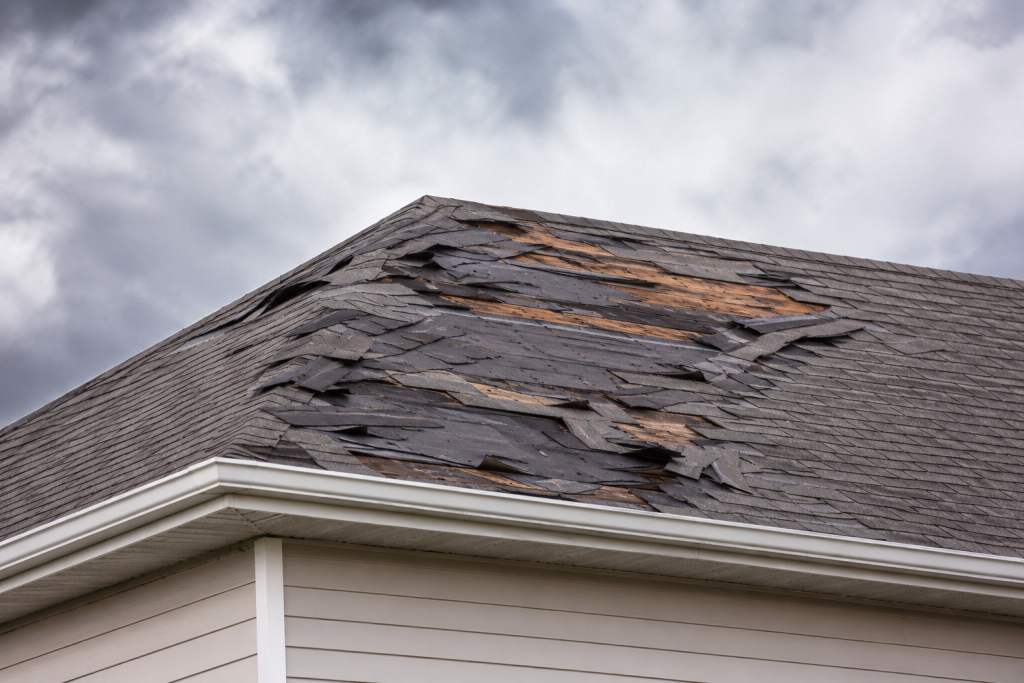
Shingles protect the layers underneath your roof. When shingles go missing, your roof becomes exposed to moisture, wind, and sun damage. Strong winds, aging materials, and storms are common causes of missing shingles. Once shingles lift or fall off, nearby shingles often loosen as well.
Signs of missing or damaged shingles include:
- Bare spots on the roof
- Curled or cracked shingles
- Granules collecting in gutters
- Uneven roof appearance
- Pieces of shingles on the ground
Fast repairs help prevent leaks and protect the rest of the roofing system from further damage.
Residential Roofing Damage After Storms
Storms can cause sudden roofing problems that are not always easy to see from the ground. High winds, hail, falling branches, and heavy rain may damage shingles, flashing, gutters, and roof decking. After severe weather, homeowners should inspect their property for signs of trouble, such as:
- Debris on the roof
- Bent flashing
- Loose gutters
- Water entering the attic
- Damaged shingles
Even if damage looks small, hidden problems may still exist beneath the surface. Professional inspections help identify weak areas before they worsen. Many homeowners also choose a full roof replacement when storm damage affects large sections of the roof or when the roofing materials are older.
Sagging Areas on Residential Roofing
A sagging roof should never be ignored. This often indicates trapped moisture, weakened decking, or structural damage beneath the roofing materials.
A roof may sag because of:
- Long-term water damage
- Rotting wood
- Poor drainage
- Heavy debris buildup
- Aging support structures
Sagging sections may collapse if the issue worsens. Fast action helps prevent serious structural repairs and safety risks. If you notice dips, uneven lines, or soft spots on your roof, contact a roofing contractor immediately for an inspection.
Residential Roofing Problems Around Flashing
Flashing seals roof edges, vents, chimneys, and valleys where water commonly enters. Damaged flashing creates openings that allow leaks to spread into the home.
Common flashing problems include:
- Rusted metal
- Cracks or gaps
- Loose sections
- Lifted edges
- Missing sealant
Flashing damage often develops first around chimneys and vents. Because these areas handle large volumes of water, quick repairs are important to prevent interior damage.
Mold and Moisture in the Attic
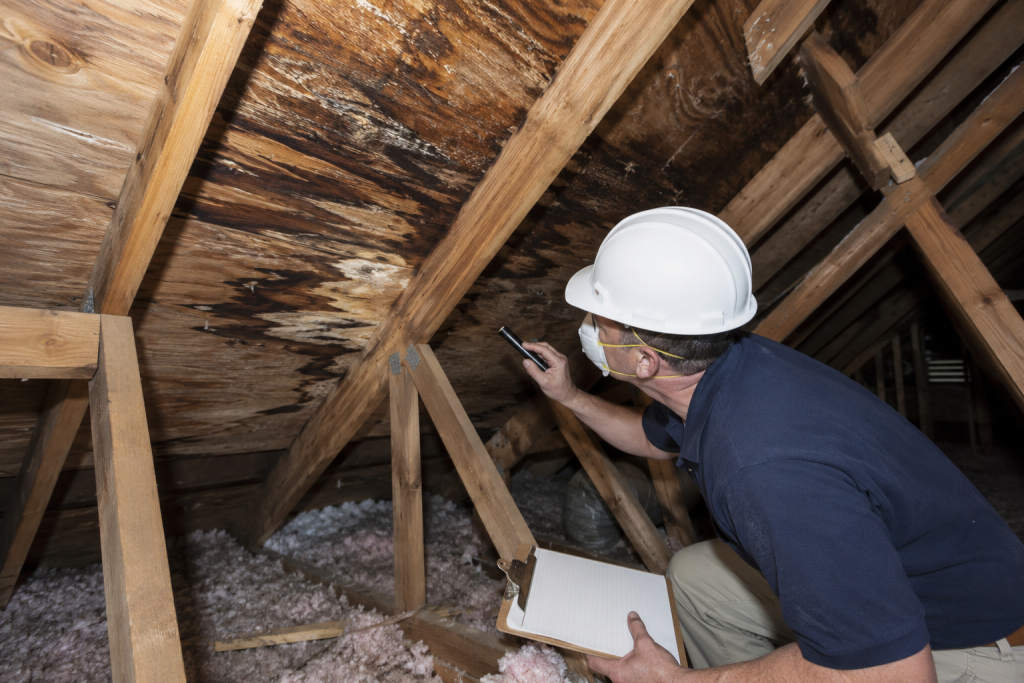
Your attic can reveal hidden roofing problems before major leaks appear inside the home. Moisture trapped in attic spaces often signals poor roof ventilation or hidden water intrusion.
Signs to watch for include:
- Mold growth
- Damp insulation
- Wood discoloration
- Musty odors
- Condensation buildup
Moisture problems may weaken roofing materials over time and create unhealthy indoor air conditions. Regular inspections help catch these issues early.
Why Fast Residential Roofing Repairs Matter
Delaying roofing repairs often leads to higher costs and larger problems. What begins as a small leak may eventually damage ceilings, insulation, flooring, and structural supports.
Fast roofing repairs help:
- Prevent water damage
- Extend roof lifespan
- Improve energy efficiency
- Protect home value
- Reduce repair costs
Routine inspections also help homeowners identify weak areas before emergencies happen. Preventive maintenance keeps roofing systems stronger for longer periods.
FAQ About Residential Roofing
How do I know if residential roofing damage is serious?
Water leaks, missing shingles, sagging areas, and storm damage are all signs that your roof needs professional attention quickly.
Can small roofing leaks become bigger problems?
Yes. Even small leaks can spread into walls, insulation, and wood framing if repairs are delayed.
How often should residential roofing be inspected?
Most roofs should be inspected at least once each year and after major storms.
When is roof replacement better than repairs?
Roof replacement may be the better option when roofing materials are old, damaged in several areas, or nearing the end of their lifespan.
Protect Your Home With Fast Roofing Service
Residential roofing issues rarely improve on their own. Small problems often grow into major repairs when left untreated. Fast inspections and timely repairs help protect your home, reduce costs, and prevent more extensive damage from spreading. Align Roofing Company LLC provides dependable roofing solutions for homeowners who need fast and professional service. Whether you need roof repair, roof replacement, or a post-storm inspection, taking action early helps keep your home protected year-round.
Contact us today to schedule a roofing inspection or learn about available roofing services. You can also visit the blog page for more roofing tips, maintenance advice, and homeowner resources.