
Before a roofing project begins, roof installers check several key parts of the property to make sure the work is planned correctly. A strong roof starts with more than new materials. The crew needs to understand the roof’s condition, shape, drainage, structure, and access points first.
These early checks can reveal damage, safety concerns, or areas that may need extra work. They also help the crew prepare the right materials and give homeowners a clearer idea of what to expect before installation begins.
What Roof Installers Check on the Existing Roof
The first step is a close look at the current roofing system. Roof installers check for missing shingles, cracked materials, soft areas, worn flashing, loose fasteners, and signs of past repairs. They also look for areas where water may have entered the roof. Water stains, damaged decking, or worn seals around roof openings can point to hidden problems. Finding these issues early helps the crew plan for repairs before the new roof goes on.
The inspection may include:
- Worn, curled, or missing shingles
- Damaged flashing around walls and roof edges
- Soft or weak areas in the roof deck
- Signs of leaks or trapped moisture
- Damage around vents, pipes, and other openings
This review helps show whether the roof is ready for replacement or if extra repair work may be needed first.
Roof Installers Review the Roof Deck
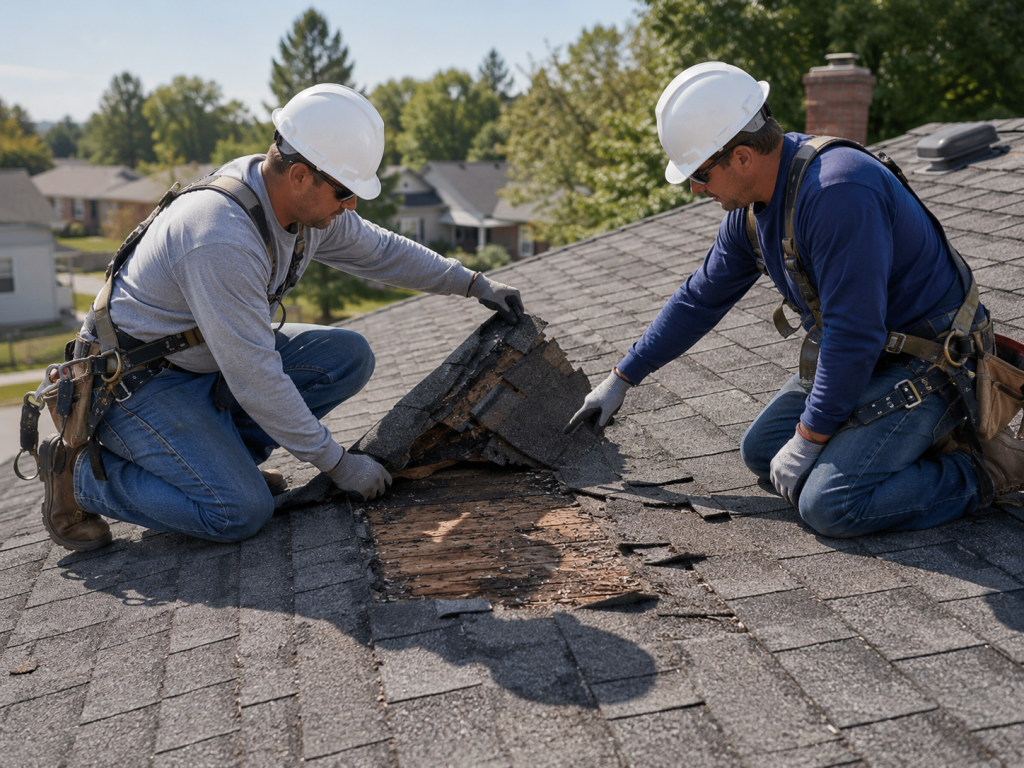
The roof deck forms the base under the roofing materials. It needs to be solid enough to hold the new system in place. Some deck damage may be visible before work starts. Other problems may become clear only after the old roofing is removed. Roof installers look for sagging areas, soft spots, water damage, and signs that sections of decking may need to be replaced.
A weak deck should not be covered with new roofing materials. Damaged wood can affect how well shingles, underlayment, and fasteners stay in place. Repairing the deck first gives the new roof a stronger and more stable base.
Roof Installers Check Flashing and Openings
Flashing helps move water away from areas where the roof meets another surface. These areas can include chimneys, walls, valleys, vents, and skylights. Before installation starts, the crew checks the condition and placement of the existing flashing. Old, bent, rusted, or poorly fitted flashing may need to be replaced. The team also checks pipe boots, vents, and other roof openings for wear.
These areas are common places for leaks to develop, so they need to be in good condition before new roofing materials are installed.
Drainage and Ventilation Are Checked
A roof needs to move rainwater away from the home and allow heat and moisture to escape from the attic. That is why drainage and ventilation are part of the pre-work review.
The roofing team may inspect valleys, roof slopes, gutters, downspouts, soffit vents, and ridge vents. They look for blocked areas, poor water flow, or ventilation problems that could affect the new roof.
Good drainage helps keep water from sitting near roof edges or backing up under materials. Proper ventilation can also help reduce heat and moisture buildup below the roof. If the roof has ongoing drainage or ventilation concerns, it is better to address them during the installation plan instead of after the work is complete.
Roof Installers Measure the Roof
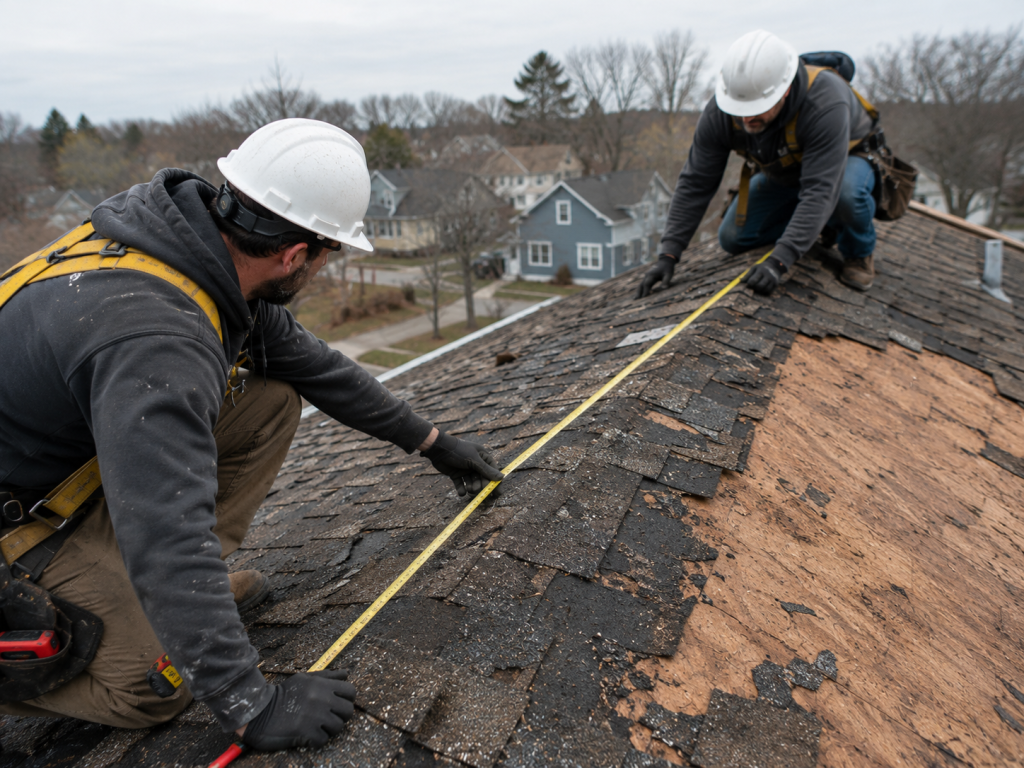
Accurate measurements are needed before materials can be ordered. Roof installers measure the roof area, slopes, ridges, valleys, edges, and other sections that affect material needs.
They also note roof features such as chimneys, skylights, dormers, and vents. These details help the crew estimate shingles or metal panels, underlayment, flashing, fasteners, and other supplies.
Correct measurements also reduce the chance of running short on materials during the job.
Access and Property Protection Come Next
The crew also needs a safe way to reach the roof and move materials around the property. Before the job begins, they may review driveway access, gates, landscaping, power lines, nearby structures, and space for equipment or a debris container.
Homeowners may be asked to move vehicles, patio furniture, grills, or other items away from the work area. Crews may also plan how to protect plants, siding, windows, and walkways from falling debris. Preparing these areas ahead of time can make the project safer and help the work move more smoothly.
Why These Checks Matter Before Installation
A roof installation involves more than placing new materials over a home. The condition below the surface, the way water drains, the strength of the deck, and the details around roof openings can all affect the finished result.
A careful review gives the crew a better picture of what the roof needs. It also allows the homeowner to discuss possible repairs, materials, and project steps before installation begins. For more information about replacing an older roof, explore our roof replacement services.
Frequently Asked Questions
Do roof installers inspect the roof first?
Yes. A pre-work inspection helps identify damage, measure the roof, review access, and plan for materials and repairs.
What happens if damaged decking is found?
Damaged or weak decking may need to be replaced before new roofing materials are installed. This gives the new roof a stronger base.
Do gutters need to be checked before roofing work?
Gutters and drainage areas may be reviewed because they help move water away from the roof and home.
Should homeowners prepare the yard first?
Yes. Moving vehicles, furniture, and loose outdoor items can give the crew safer access and help protect property during the project.
Prepare for a Smoother Roof Installation
Knowing what happens before roofing work begins can make the process easier to understand. A careful inspection helps identify roof damage, weak decking, flashing concerns, drainage needs, and access issues before installation starts.
Align Roofing Company LLC can review your roof and explain the next steps for your project. Contact us to request service, and visit our blog for more roofing tips.