
Roof installation plays a major role in how well a roof protects a home over time. Even strong materials can fail early if they are installed the wrong way. Good planning, proper materials, and careful work help a new roof withstand rain, wind, heat, and daily wear. Focusing on the details from the start can reduce future repair needs and improve long-term performance.
Start Roof Installation With a Full Inspection
A lasting roof starts before the first new shingle or panel is installed. The old roof and the structure below it should be checked for soft decking, rot, leaks, and weak areas. Covering these problems can lead to larger repairs later.
The contractor should also review flashing, drainage, roof slope, and attic airflow before work begins. The inspection may include:
- Roof decking and sheathing
- Flashing around vents, chimneys, and walls
- Signs of water damage
- Roof slope and drainage
- Attic ventilation
- Areas that need added protection
Fixing hidden issues first gives the new roof a stronger base.
Choose Roof Installation Materials Carefully
The right roofing material should fit the home, roof design, and local climate. Asphalt shingles are common because they balance cost and performance. Metal roofing can also provide a long service life when installed correctly.
In Jacksonville, roofs face strong sun, heavy rain, humidity, and seasonal storms. Materials should suit these conditions and be installed according to the manufacturer’s directions.
The parts below the visible roof matter too. Underlayment, fasteners, flashing, sealants, and drip edges all work together.
Proper Roof Installation Needs Good Ventilation
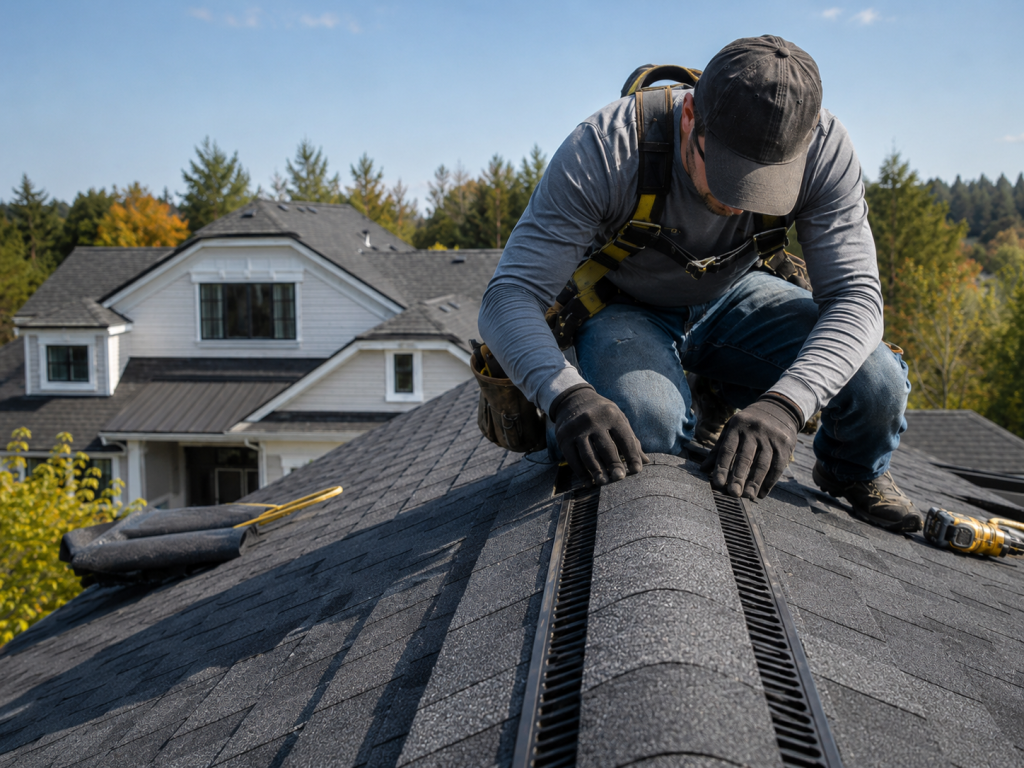
Ventilation can affect how long a roof lasts. Heat and moisture may build up in the attic when air does not move well. Over time, this can affect decking, insulation, and roofing materials.
A balanced system lets fresh air enter low on the roof and warm air leave near the top. Good airflow can help control attic heat, reduce moisture, protect roof decking, and support indoor comfort.
Plan ventilation as part of the roof installation instead of adding it later.
Roof Installation Flashing Must Be Done Right
Many roof leaks begin around valleys, vents, chimneys, walls, and roof edges. These areas need flashing to move water away from openings and joints.
Flashing must be placed in the right order, so water flows over the roofing system instead of behind it. Damaged or worn flashing should not become a weak point in a new roof.
Pipes, skylights, vents, and other roof openings also need proper sealing.
Use the Correct Fasteners and Nailing Pattern
Fasteners help keep roofing materials in place during wind and bad weather. Shingles should be nailed in the correct zone and at the proper depth. Nails driven too deep can damage shingles, while nails left too high may not hold them firmly. Metal roofing also needs fasteners and spacing that match the system.
The installer should follow product directions and local building rules.
Keep Water Moving Away From the Roof
A durable roof needs a clear path for rainwater. Valleys, edges, gutters, and downspouts should move water away instead of letting it collect.
Poor drainage can lead to leaks, damaged fascia, and early wear. Drip edges should guide water toward the gutter system. After installation, homeowners should keep gutters clean and check drainage after strong storms.
Check the Finished Roof Installation
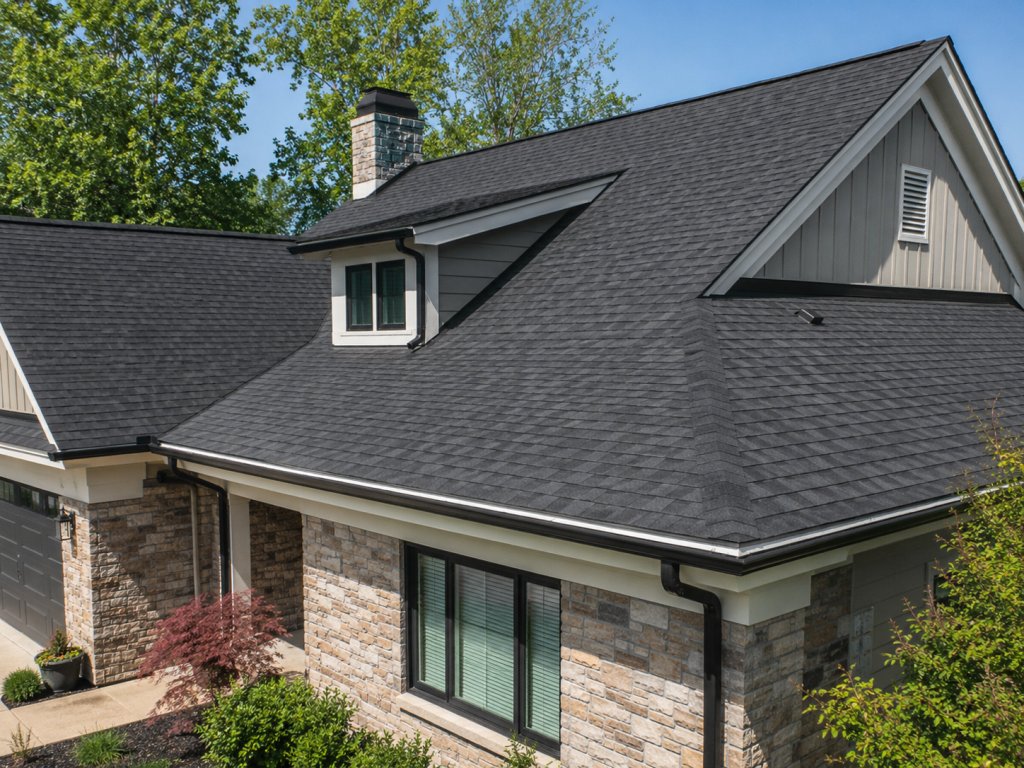
A final inspection should happen before the project is complete. The contractor should check the roofing surface, flashing, vents, edges, and cleanup around the property.
Homeowners can ask what maintenance the roof needs and what signs to watch for. Keep material and warranty records for future reference.
Roof Installation FAQs
How Long Should a New Roof Last?
Roof life depends on the material, weather, maintenance, and installation quality. Proper installation gives the system the best chance to reach its expected service life.
Why Is Underlayment Important?
Underlayment adds protection below the main roofing material. It helps guard the roof deck if moisture gets past shingles or panels.
Can Poor Ventilation Damage a New Roof?
Yes. Excess heat and moisture in the attic can affect decking, insulation, and roofing materials. Proper airflow helps lower these risks.
Should Flashing Always Be Replaced?
Replace damaged, worn, or poorly fitted flashing. A roofing professional should inspect each area before deciding what can safely stay.
Build a Roof That Is Made to Last
Long-term durability comes from more than choosing a strong shingle or panel. The roof deck, underlayment, flashing, ventilation, fasteners, and drainage must all work together. Careful installation can reduce leaks, repairs, and early wear.
For professional roof installation and roof replacement in Jacksonville, FL, Align Roofing Company LLC can help you plan the right solution for your property. Contact us to request an estimate, or explore our blog for more roofing tips and maintenance guidance.