
A roof replacement may seem like a major project, but in many cases, it is the best way to protect your home and avoid ongoing repair costs. While roof repairs can fix isolated issues, some roofing problems become too extensive for a simple patch. Knowing when to replace your roof can help you save money, improve safety, and prevent future damage.
In this guide, you will learn about the signs that indicate roof replacement may be a better option than continued repairs.
The Difference Between Roof Repair and Roof Replacement
Roof repairs focus on fixing specific issues, such as:
- Missing shingles
- Small leaks
- Damaged flashing
- Minor storm damage
- Isolated roof wear
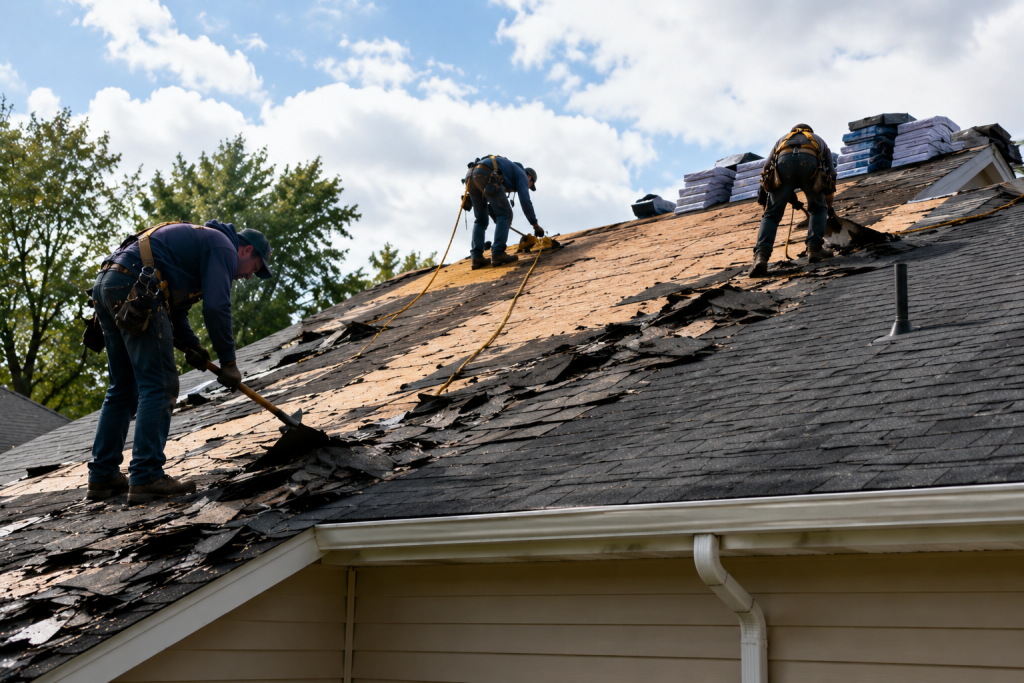
A roof replacement involves removing and replacing all or most of the roofing materials. While it requires a larger investment upfront, it provides long-term protection and peace of mind.
When damage is widespread or recurring, replacement often delivers greater value than repeated repairs.
Signs a Roof Replacement May Be Necessary
Some roofing issues are clear indicators that repairs may no longer be enough.
Your Roof Is Near the End of Its Lifespan
Every roofing material has an expected service life.
- Asphalt shingles: 20–30 years
- Architectural shingles: 25–35 years
- Metal roofing: 40–70 years
If your roof is approaching the end of its lifespan, investing in multiple repairs may not make financial sense. A replacement allows you to start fresh with modern materials and updated protection.
Repairs Have Become Frequent
One repair every few years is normal. However, if you find yourself calling a roofing contractor regularly, the costs can quickly add up.
Frequent repairs often signal that the roofing system is deteriorating as a whole. Instead of continuing to patch problems, replacing the roof may eliminate ongoing maintenance expenses.
Multiple Leaks Are Appearing
A single leak can often be repaired successfully. Multiple leaks in different areas may indicate larger issues beneath the roofing materials.
Water intrusion can damage:
- Insulation
- Roof decking
- Drywall
- Electrical systems
- Structural components
When leaks become widespread, replacement is often the safer solution.
How Storm Damage Can Lead to Roof Replacement
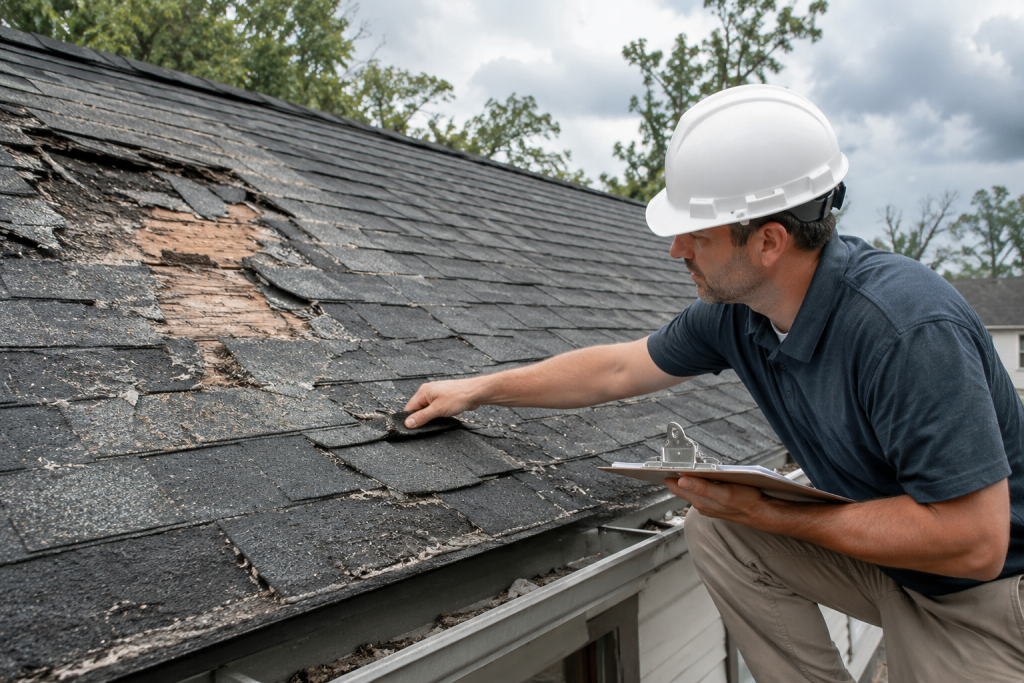
Severe weather can shorten the life of any roof. Strong winds, hail, falling branches, and heavy rain may create damage that extends beyond the surface. Even if repairs seem possible, hidden damage can remain underneath. After a major storm, a professional roof inspection can determine whether repair or replacement is the better option.
For homeowners experiencing storm-related issues, our roof repair service can help assess damage and identify the most effective solution.
Roof Replacement Can Improve Energy Efficiency
Older roofs often contribute to energy loss. As roofing materials age, they become less effective at reflecting heat and protecting the home from outdoor temperatures. Modern roofing systems are designed with improved energy performance in mind.
Benefits may include:
- Better attic ventilation
- Improved insulation performance
- Reduced cooling costs
- More consistent indoor temperatures
A roof replacement can help improve comfort while reducing strain on your HVAC system.
When Roof Replacement Saves Money
Many homeowners focus only on the immediate cost of replacement. However, it is important to consider long-term expenses. Repeated repairs can become costly over time.
Consider the costs associated with:
- Ongoing leak repairs
- Water damage restoration
- Mold remediation
- Interior repairs
- Higher utility bills
When these expenses continue to increase, replacement may provide better overall value.
A new roof also reduces the likelihood of emergency repairs and unexpected roofing problems.
Roof Replacement Can Increase Property Value
A roof is one of the first things people notice about a home. Whether you plan to sell soon or remain in your home for years, a new roof offers several benefits:
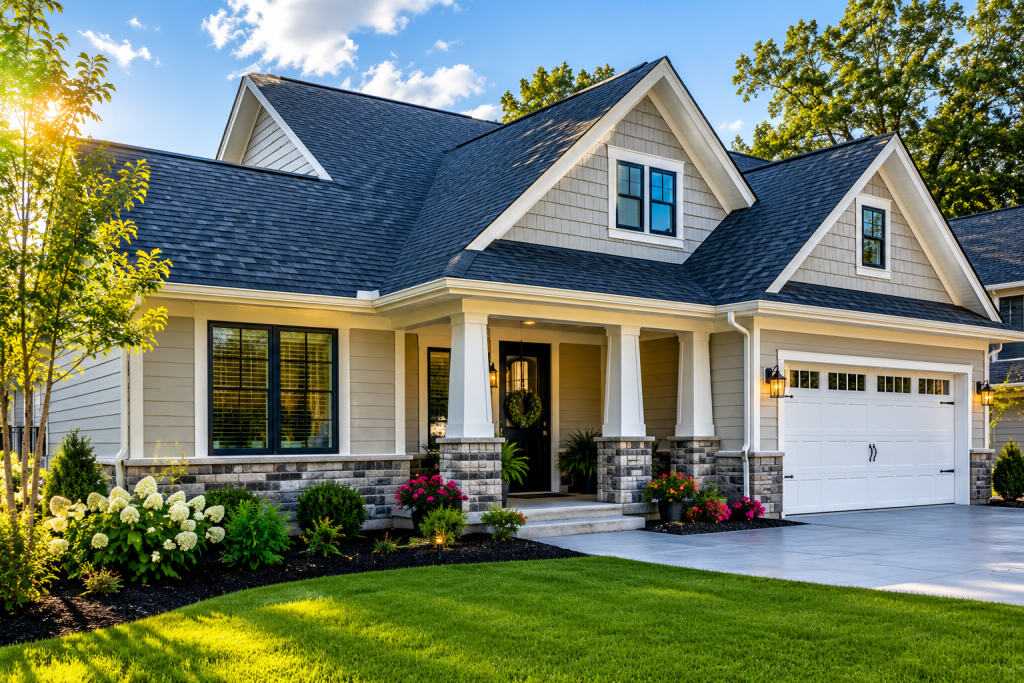
- Improved curb appeal
- Increased buyer confidence
- Better home protection
- Updated appearance
- Potentially higher resale value
Many buyers view an aging roof as a future expense. A recently completed roof replacement can make a property more attractive during the selling process.
Why Professional Inspections Matter
The decision between repair and replacement should be based on a thorough inspection.
Professional roofers evaluate:
- Shingle condition
- Flashing performance
- Roof decking integrity
- Ventilation systems
- Signs of moisture damage
- Structural concerns
A professional assessment helps homeowners avoid spending money on repairs when replacement is the more practical solution.
Frequently Asked Questions
How do I know if my roof needs to be replaced rather than repaired?
If your roof has widespread damage, multiple leaks, frequent repair needs, or is near the end of its lifespan, replacement may be the better choice.
Can a roof replacement prevent future leaks?
Yes. A new roofing system addresses aging materials and underlying issues that often cause recurring leaks.
Is roof replacement worth the investment?
In many cases, yes. Replacement can reduce future repair costs, improve energy efficiency, and increase property value.
How long does a roof replacement take?
Most residential roof replacement projects can be completed within a few days, depending on the size and complexity of the roof.
Make the Right Roofing Decision
Choosing between repair and replacement can be difficult, but understanding the condition of your roof makes the decision easier. While repairs work well for isolated issues, widespread damage, aging materials, and recurring problems often make roof replacement the smarter long-term investment.
Align Roofing Company LLC helps homeowners evaluate roofing concerns and choose solutions that protect their properties for years to come. If you’re unsure whether your roof needs repair or replacement, contact us for a professional assessment. Check out our blog page for more roofing insights.